Do Pool Pumps Need to Be Covered?
Many pool pumps operate outdoors for years without a full enclosure, so a cover is not automatically required. The decision depends on exposure to sun, rain, debris, freezing weather, noise, animals, security concerns, and the appearance of the equipment area.
A useful cover solves a specific problem without introducing heat, moisture, or access issues. In a sheltered location, a small shade roof or screen may be more appropriate than a complete box.
Match Protection to the Actual Exposure
The central issue in do pool pumps need to be covered? is deciding when a cover is useful based on climate, equipment rating, site exposure, noise, debris, and appearance. Observe where rain blows, where roof runoff lands, how afternoon sun reaches the motor, where snow accumulates, and which direction prevailing wind carries leaves. A cover placed without this site-specific check can move water or debris toward the equipment instead of away from it.
Look beyond average weather. Thunderstorms, irrigation overspray, freeze-thaw cycles, falling branches, and temporary flooding often create more risk than normal daily conditions. The equipment pad should remain above standing water, and the enclosure should not create a dam around it. Keep access to disconnects and valves clear during bad weather.
Seasonal Preparation Matters More Than Wrapping
Loose tarps and tightly wrapped plastic are tempting because they are quick, but they can trap condensation, block airflow, rub against controls, and become wind hazards. A rigid or well-supported shelter that sheds precipitation while leaving protected ventilation is generally more useful during operation. When the pool is winterized, follow the equipment manufacturer and local winterization practices rather than assuming a cover alone prevents freeze damage.
Inspect before each season. Clear vegetation, open blocked vents, verify anchors, check hinges and latches, and look for animal nesting material. Water stains and corrosion inside a cover reveal where rain is entering. Faded, cracked, swollen, or rusted panels may still stand but no longer provide reliable protection.
Protect Controls and Service Points
Motors are built for outdoor use to varying degrees, but exposed switches, automation panels, plugs, connections, and damaged conduit deserve special attention. Never direct runoff or hose spray toward electrical equipment. A roof should extend far enough to provide useful shelter, while side openings should maintain airflow.
Keep labels, gauges, drain plugs, and shutoffs visible. Emergency access should not require tools or removal of heavy panels. Where animals are a concern, use durable screening sized to block entry without restricting ventilation; avoid poisons or loose deterrents that could contaminate the pool area or harm pets and wildlife.
Confirm the Plan at the Equipment Pad
Measure the real installation, photograph valve positions and access paths, and compare the proposed cover with the manufacturer instructions for every component. Leave more working room when dimensions are uncertain, and favor removable panels over permanently boxing in equipment that will eventually require repair or replacement.
Deciding Whether to Add a Cover
- Identify the actual exposure problem before enclosing equipment.
- Check whether shade, drainage, or a simple screen solves the issue.
- Do not add a cover that reduces access or cooling.
Recommended Products
As an Amazon Associate I earn from qualifying purchases.
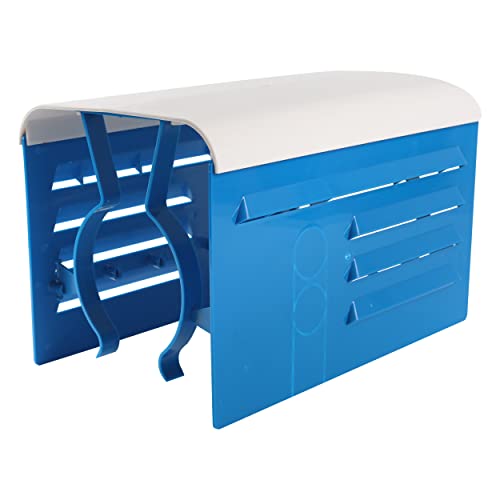
TonGass Universal Fit Pool Pump Motor Cover 13.1" x 8.5" x 8.3"
This universal pool pump cover is designed to fit any pool pump and is also pretty cheap.
View on Amazon
Pool Pump Covers for Outside Units, ABS Adjustable Pools Motor Cover
This is a good adjustable pool pump cover at a cheap price.
View on Amazon