Pool Pump Covers with Ventilation
A running pump motor releases heat, and a cover changes how that heat escapes. Ventilation openings must admit cooler air low in the enclosure and let warmer air leave higher up without channeling rain or debris toward electrical components.
Vent size cannot be judged by appearance alone. Pump horsepower, run speed, direct sun, enclosure volume, internal barriers, and nearby walls all affect temperature. A design that works in spring should also be checked on the hottest operating day.
Specific Covers and Enclosures to Compare
These products represent different solutions rather than interchangeable versions of the same cover. Compare the intended use first: a compact motor hood, an open privacy screen, a seasonal fabric cover, and a purpose-built acoustic enclosure solve very different problems.
| Product | Best For | Advantages | Limitations |
|---|---|---|---|
| Natural Fir Louvered Equipment ScreenFreestanding wooden shutter-style screen | Decorative concealment with open airflow | Slatted panels visually soften the equipment pad and are easier to arrange than a roofed cabinet. | No roof, limited acoustic performance, ongoing finish maintenance, and anchoring may be required. |
| WEEDING 36 × 45-Inch Vinyl Equipment ScreenTwo-panel no-dig vinyl privacy screen | Low-maintenance visual screening | Open top and panel gaps preserve airflow; white vinyl suits many fences and pool decks. | Primarily a screen rather than weather protection; stakes and soil conditions affect stability. |
| Suncast FSW4423 Resin Wicker Screen EnclosureFour-panel resin privacy screen with steel posts | Flexible decorative screening around a larger pad | Panels can be arranged in different shapes and resin needs little routine finishing. | Does not cover equipment from rain and should not block the service side or vents. |
| The Acoustic Box Pool Pump & Filter EnclosurePurpose-built galvanized-steel acoustic enclosure | Noise control for a complete pump-and-filter pad | Removable front and lift-up lid provide strong service access; the manufacturer publishes configurations for different layouts. | Premium cost and a large footprint; exact layout and heater clearances still need verification. |
Important: Storage sheds and privacy screens are included as adaptable enclosure ideas, not as automatic approvals for operating pool equipment. Confirm ventilation, drainage, electrical access, heater requirements, and manufacturer clearances before modifying or enclosing the pad.
Create a Low-To-High Air Path
Cooler air should enter low and warm air should leave high, with openings distributed so air can move past the motor rather than shortcutting between two nearby vents.
Louvers and baffles can shield rain while preserving flow. Screens should be coarse enough to resist clogging from dust, pollen, and insects.
Account for Solar Heat and Pump Speed
A cover in full afternoon sun can become hotter than the surrounding air before the pump starts. Light exterior colors, roof ventilation, shade, and an air gap below the roof reduce heat gain.
Check conditions during high-speed cycles as well as quiet filtration speed. Heating, spa jets, and cleaners may create the highest motor load.
Make Temperature Checks Part of Commissioning
After installation, run the pump under demanding warm-weather conditions and compare enclosure temperature with the uncovered baseline or manufacturer guidance.
Stop and improve airflow if heat rises abnormally, the motor protection trips, or plastic components become unusually hot. Do not solve overheating by leaving a door unsecured.
Inspect the Enclosure Under Real Operating Conditions
After installation, run the pump through its normal and highest required speeds, open every service point, and check for panel movement, blocked vents, rubbing plumbing, trapped water, unusual heat, and new rattles. Reinspect after the first heavy rain and strong wind because those events reveal drainage and anchoring problems that a dry-day installation cannot.
Ventilation Checks
- Provide a clear low intake and high exhaust path.
- Keep louvers protected from rain while leaving them unobstructed.
- Measure enclosure temperature during the hottest normal run.
Recommended Products
As an Amazon Associate I earn from qualifying purchases.

Salcod Pool Pump Cover for Outside Units, UV-Resistant ABS, White
This is an affordable metal pool pump cover that looks good and reflects heat.
View on Amazon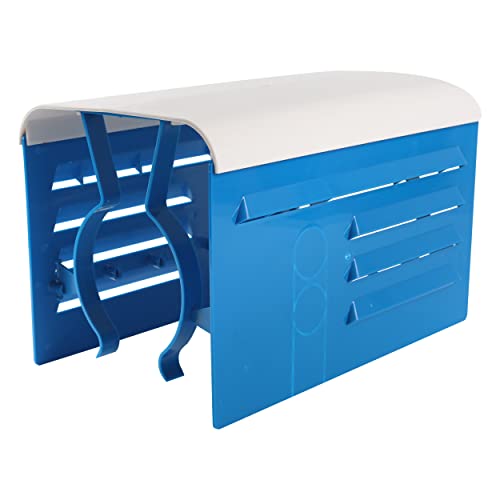
TonGass Universal Fit Pool Pump Motor Cover 13.1" x 8.5" x 8.3"
This universal pool pump cover is designed to fit any pool pump and is also pretty cheap.
View on Amazon